CocoChat x CDAP: The Business of Being Creative with Leah Rasay
Picture a freelancer at the tail end of a long project: The work is delivered and the client is happy, but here come the questions nobody trained them for. How should the invoice be worded? Does the contract cover a third round of revisions? What do they charge next time without scaring anyone off?
Talent got them the job, but nothing about the job taught them how to keep it.
That was the unspoken deal for creatives in the Philippines. Be brilliant, then figure out the rest alone. Leah Rasay never thought it was a good deal. As founder and CEO of Husay Solutions OPC and former president of the Communication Design Association of the Philippines (CDAP), she has spent the better part of a decade rewriting it—building the systems, communities, and platforms that Filipino creatives deserve, but rarely get handed.
There was never any shortage of talent in the Philippines; we just lacked the support and infrastructure. Few had access to contracts that protected them, pricing frameworks that made sense, a bridge between their work and the clients who needed it.
In this edition of CocoChat, we follow the thread from her early career to the company she built and the lessons she keeps handing to the creatives who come after her.
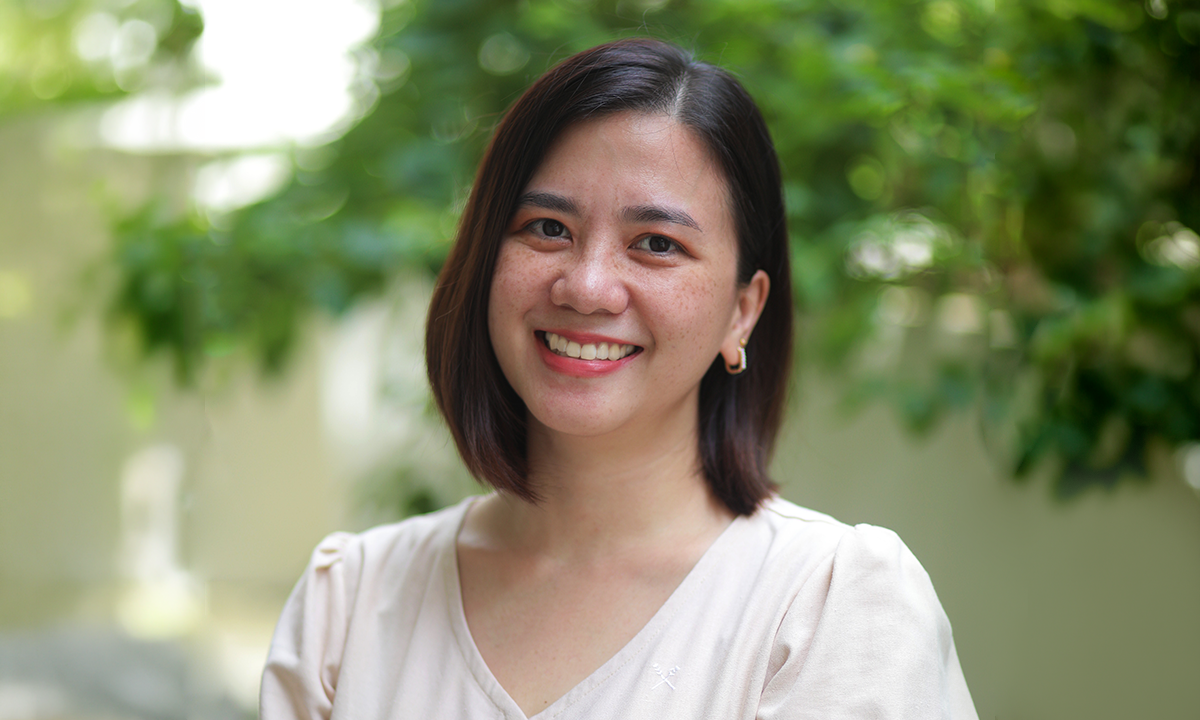
Many Hats, One Direction
Before Husay.co, there was a version of her that moved across industries with salient determination.
There were stints as a creative consultant on political campaigns, where messages had to land fast and land with everyone. There was a Technical Education and Skills Development Authority (TESDA) classroom, where she taught beginners. There was a time at a publishing company, where ideas became deadlines. While they were different on the surface, underneath was the same instinct: figuring out how things functioned, finding where they fell short, and fixing them.
Each new role was like research. Leah was slowly collecting data that showed other sides of the same machine: how the work got made, who it was made for, and where the people who made it got lost. The creative work was strong, but the structure around it lacked the support.
That observation stuck with her, and it eventually became the company we know today.
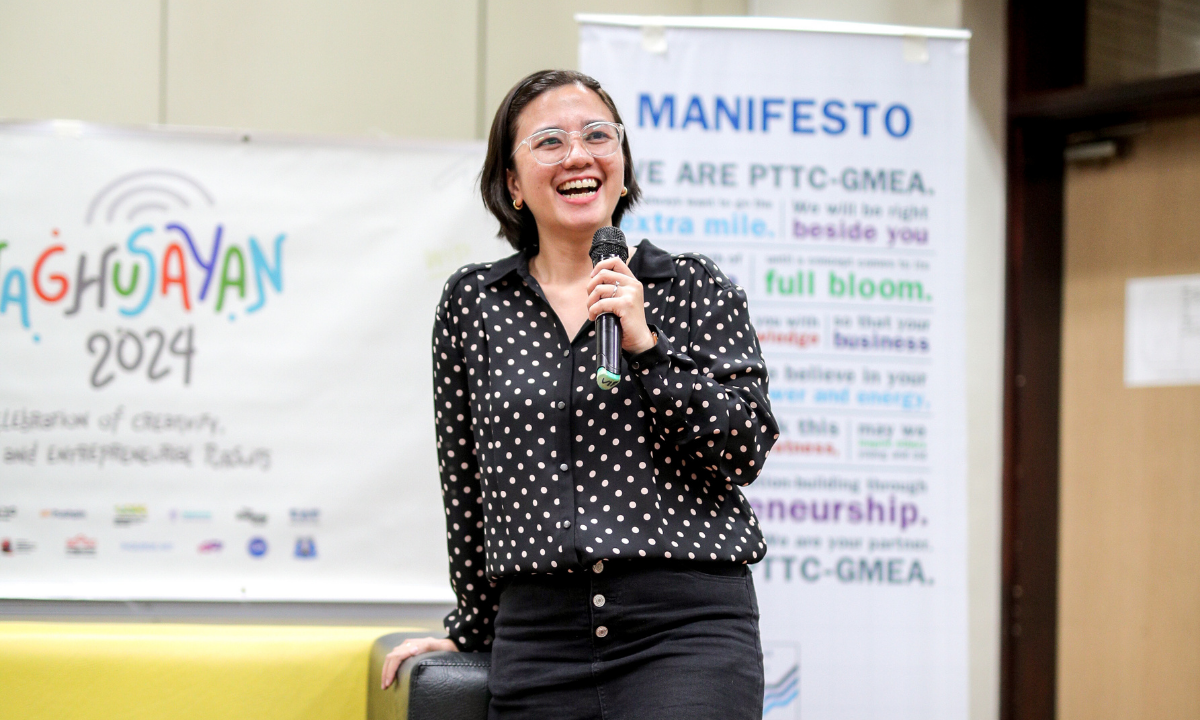
It Started with a Mic
Husay didn’t open with a business plan. In 2017, it opened with open mic events—informal evenings where creatives could gather, share work, and compare notes on the realities of making a living from it.
The gatherings grew into a learning platform, then a creative agency, then a career management service. Today, Husay.co works from both ends of the table at once, supporting Filipino creatives on one side and connecting them with clients on the other.
“We’re honest about being coordinators—transparency for each end. We see both sides and bridge the gap between client and artist. Coming in, we thought it was a pricing problem, but it was so much more.
Arbitrary pricing is a pet peeve of mine because the client deserves to know where the money goes. If you don’t price accordingly, you’ll burn yourself out. Likewise, you should be able to justify higher rates.”
Running both sides asks for honesty. Leah is upfront that Husay.co’s role is to coordinate, which requires being transparent with each party and seeing what each side can’t see about the other.
Pricing, it turned out, was a symptom of unclear briefs, uneven expectations, and creatives with no one to negotiate alongside them.
What emerged from that discovery was Manager Husay: a service that takes the administrative weight off creative professionals—project management, contracts, tax compliance, even wellbeing support—so they can focus on the work itself. It’s less a product and more a philosophy made operational.
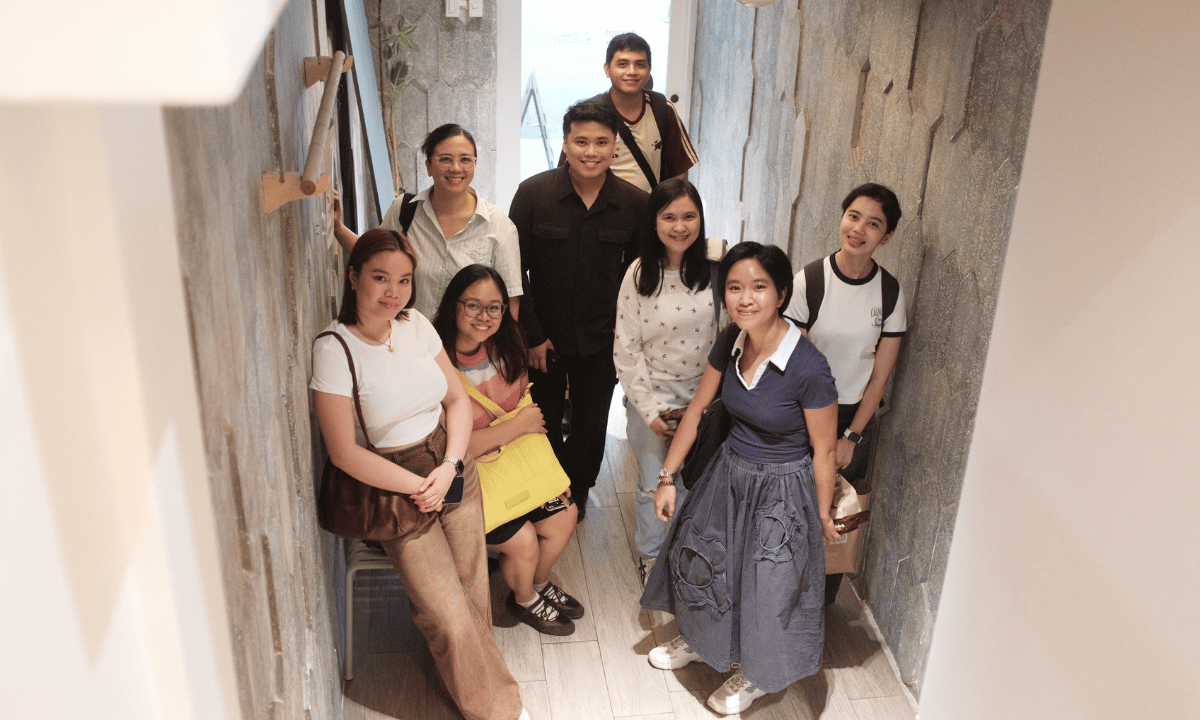
Building the Back Office Creatives Never Had
“I don’t mind being backstage. I studied fine arts so I have my own taste, but I’ll leave that to the artists. Recently, I’ve discovered that my joy is in being the organizer.”
That realization is the origin of Manager Husay, the part of the company that takes on the administrative weight of freelancing. And the pitch is simple: The people making the work shouldn’t also have to be their own accountants, lawyers, and project managers.
It’s easy to mistake this for the unglamorous side of a creative company, but for Leah, it’s the point. A freelancer who isn’t buried in paperwork has more room to take risks, say no to the wrong client, and finish the work they actually wanted to make.
“Art is more on discernment—it’s very subjective because it’s how you affect people. Keep in mind what’s realistic for the client and target market. How do you approach projects in a way that’s still creative?”
The Creative, Defined Loosely
“Use creativity to solve problems—but remember that ‘creative’ is very subjective. What’s normal for us may already be creative for others.”
Leah’s own definition of “creativity” leaves room for the practical. It’s a freeing idea for anyone who has ever dismissed their own work as ordinary. What feels like routine to us may be the fresh perspective someone else has been missing.
She applies the same flexibility to the work itself. In her view, art leans on discernment, and it’s subjective because it’s about affecting people. That puts the audience at the center, which is why she pushes creatives to keep the client and the target market in mind, and then ask how to stay creative inside those limits.
And she resists comfort. When Husay.co builds a team for a project, Leah asks who else could be tapped so the work isn’t repetitive. The team pushes back against what she calls the “model that always works,” and keeps challenging, iterating, and testing a new approach. A formula that has worked three times or more is overdue for a refresh.

The Filipino Creative Is More Than a Style
Zoom out from a single project and the same thinking shapes how Leah talks about Filipino creatives as a whole. Ask what defines them on a global stage, and she skips the usual answers about visual motifs and design trends.
“What is Filipino design? What is a Filipino designer?’ are always round-table questions for DTI. And Filipinos are scattered globally—we’re present. It’s always brought up that, rather than a design theme or style, we’re defined by the process or experience of working with us. [That Filipinos] understand what’s needed or necessary and are easy to talk to.”
Instead of an aesthetic to be copied, she describes a working relationship and how Filipino creatives communicate, adapt, and deliver. That quality travels with them across studios, time zones, and international borders.
During her time as CDAP president, she worked to give that idea institutional backing. One result was a partnership with the Center for International Trade Expositions and Missions (CITEM) for CREATELab 2025, a program that connects communication designers with businesses. The aim is access—opening doors that individual designers shouldn’t have to knock on alone.
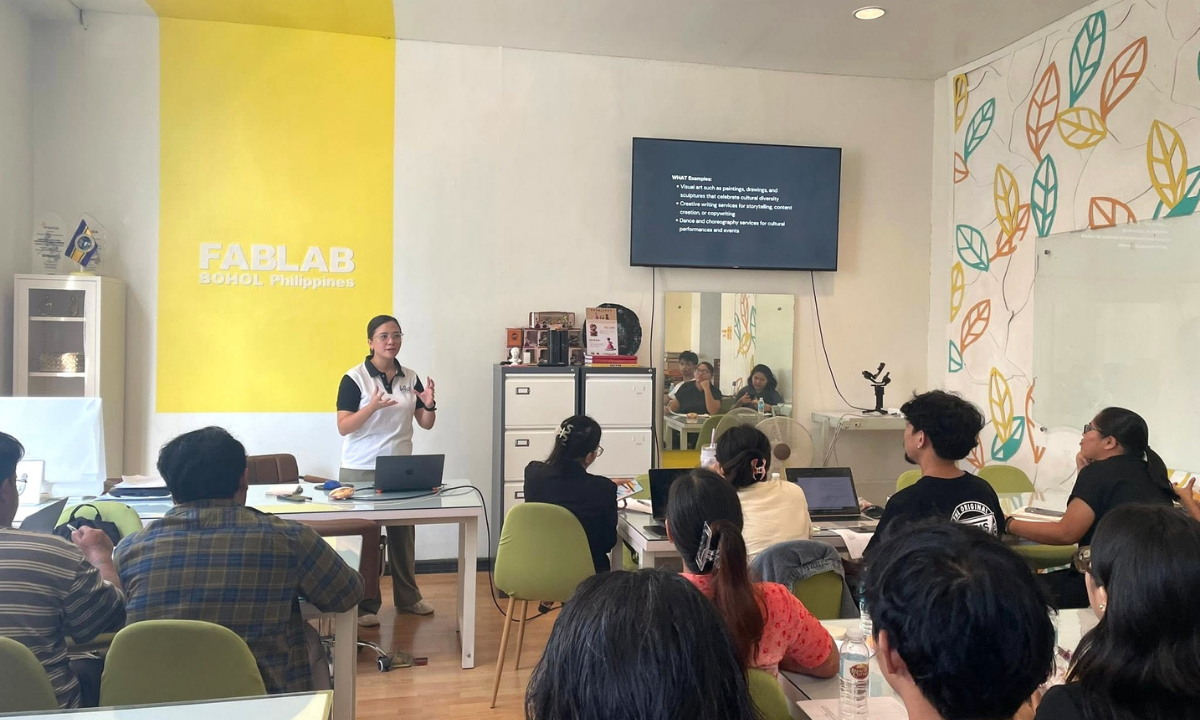
The Freelancing Fine Print
Leah has watched enough careers up close to know where freelancers tend to stall, and she doesn’t talk around it. Her advice is blunt and refreshingly unglamorous.
“Choose your battles. That’s how you grow as a creative and designer.”
Pricing is one. Visibility is another. But underneath both of those is something more fundamental—a failure to take their own work seriously enough to demand that others do the same.
“Take every project seriously. There’s truth to word of mouth—even to yourself. Integrity to yourself, asserting yourself, and even your pricing.”
The word of mouth she’s talking about isn’t just reputation management, it’s also the story a freelancer tells themselves about what their work is worth. It circles back to the person at the invoice—the one weighing a number, a contract clause, a nervous email.
What Leah offers is less a rulebook and more a reframe: Your work is worth standing behind and you don’t have to build everything alone.
And for anyone still sitting on the sidelines, waiting for the conditions to be perfect? The system Leah spent years building exists precisely for that person. The one who’s talented, ready, and just needs someone to tell them the door is already open, waiting for them to step in.
Looking to jumpstart your freelancing career? We’ve got a few tips and tricks up our sleeves in the CocoKit—a freelancing guide for the Filipino creative! Download your copy here.
Up next: Catch our chat with Dapat Studio founder Roxy Navarro—coming soon. CocoChat is a short social media series focusing on honest conversations with fellow Filipino creatives!