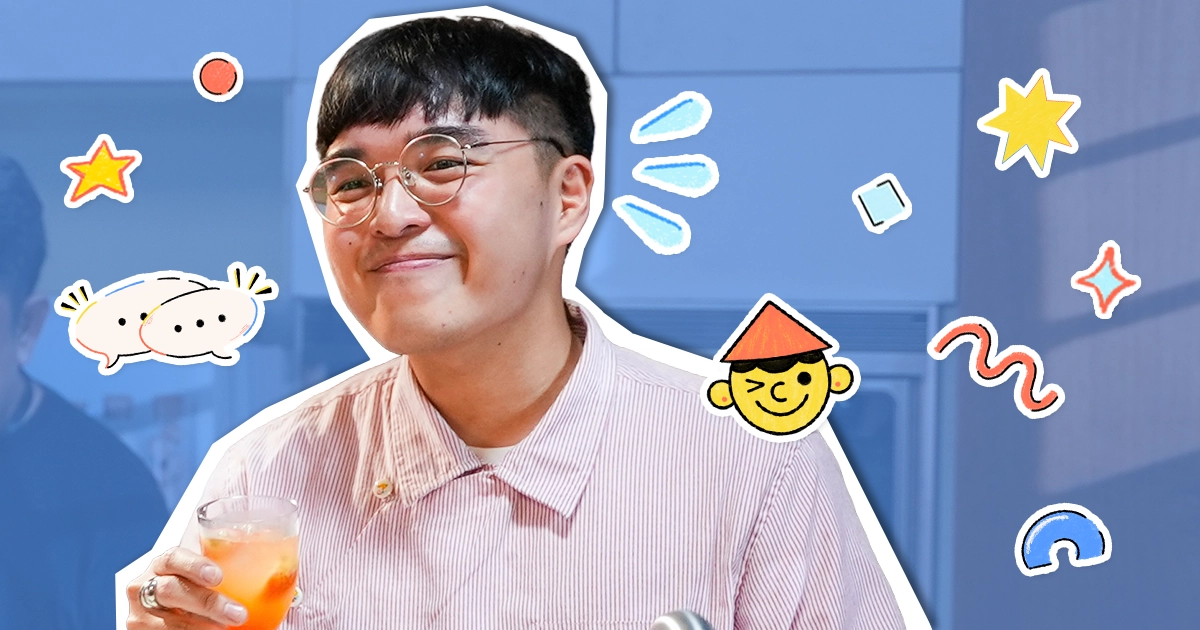
CocoChat: Inside the Illustrated World of Dani Go
What’s your favorite childhood story?
The Giving Tree.
The Very Hungry Caterpillar.
The Missing Piece.
The way children’s picture books can bring people together is nothing short of mystical. It’s a different kind of magic from the ones talked about in fairytale books—it’s one that says everything words don’t or can’t. With art, there is no language barrier.
And nobody knows that better than Dani Go.
The Manila-based Chinese-Filipino illustrator has built a career on capturing what children feel, not just what they look like. From her published work with Adarna House, Kado, and OMF Literature, to landing representation with Rebecca Sherman of Writer’s House, Dani has spent years depicting and illustrating warmth in her art.
Taking the Leap
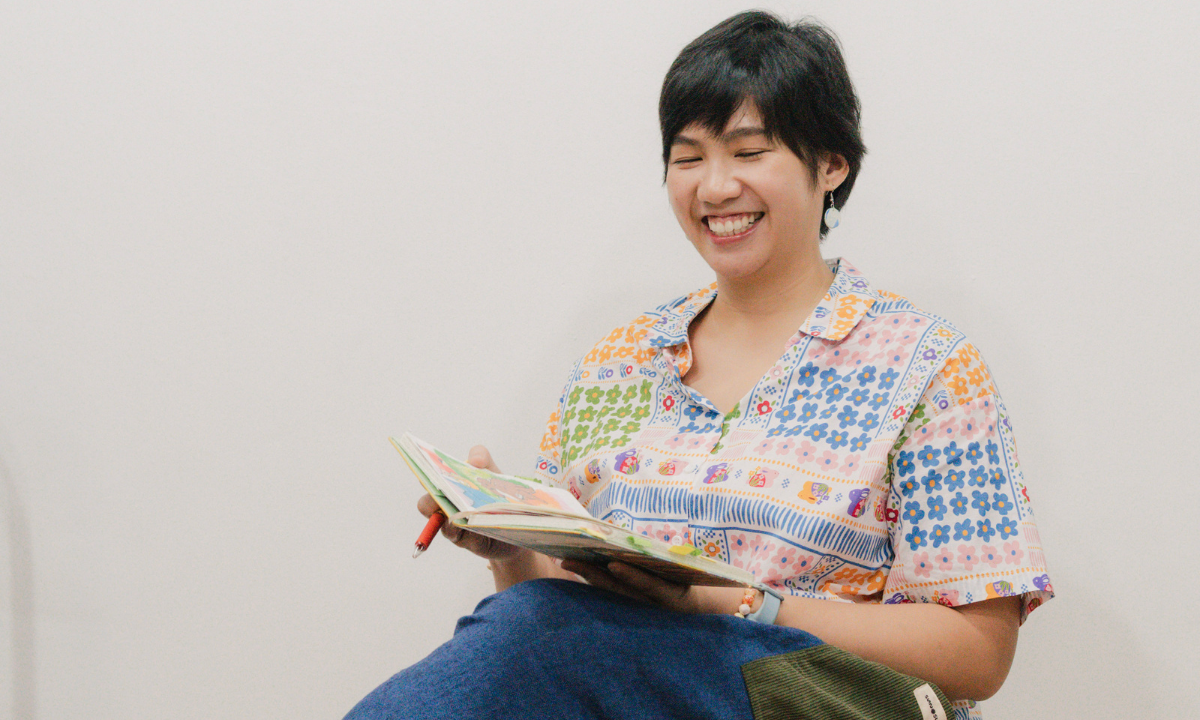
Dani didn't arrive here in a straight line. Like many others, her journey had many twists as she spent time figuring out what to call herself and, more importantly, what to commit to.
Claiming the title of professional illustrator wasn’t a pivotal memory so much as a promise she made to herself and chose to follow through with. There was no grand awards ceremony, no bells and whistles—just an artist with a goal. And it stuck.
Not every moment in life is a page-turner. Confidence like Dani’s is built steadily and gradually: a quiet layering of seemingly trivial instances that become memories, experiences, and eventually, a career. Born not from lofty declarations but from showing up, it’s the kind of earned certainty that need not announce and assert itself—it speaks in a soft, steady voice. She kept choosing this path, project after project, until one day it just fit.
That groundedness also shows in how she talks about her identity: As a Chinese-Filipino illustrator working in a multicultural city like Manila, Dani's perspective draws from many backgrounds—from Filipino-Chinese fusion dishes to cute things—and it blends onto pages in ways that feel specific without being overbearing.
“I still feel weird about saying illustrator because nobody knows what that is here. I just say ‘artist’, that I make art. And when they ask if it’s advertising, I clarify, ’No, my own stuff.’ I’d have to say children’s books specifically because that’s the only point of reference a lot of people have.
After I left corporate, it was like a sort of promise to myself to try it out. And now I've decided I'll just own it.”
Saying More with Less
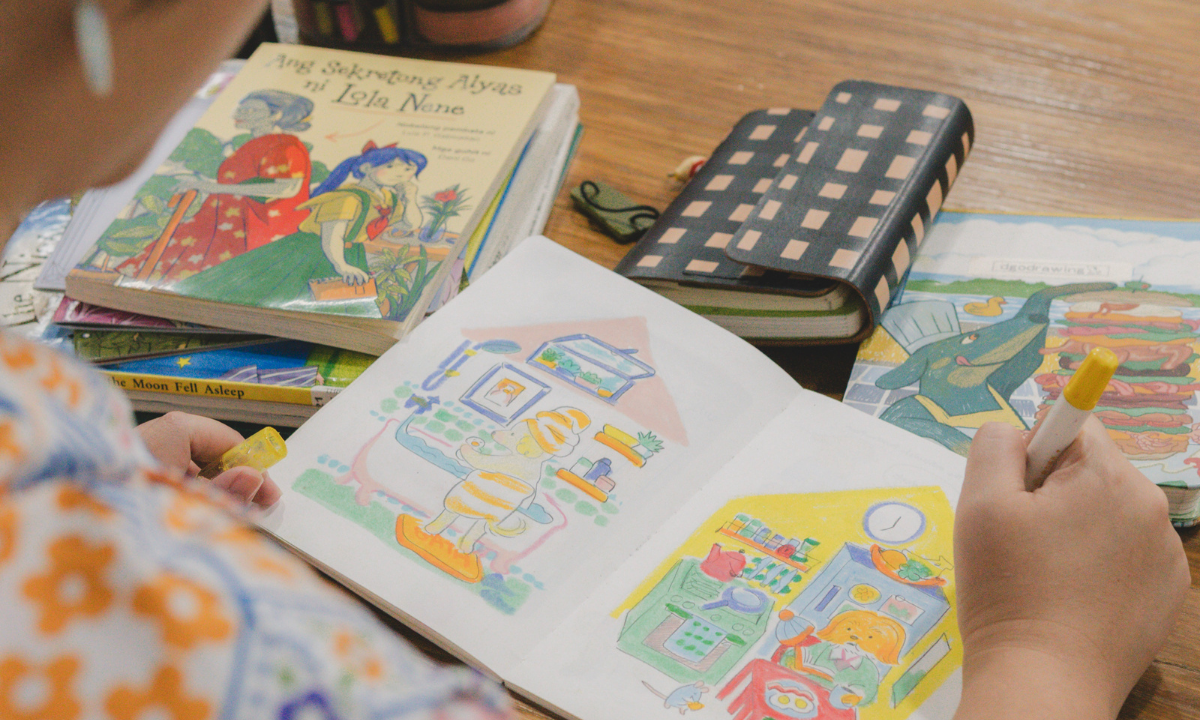
Dani’s process starts long before the first sketch. Children’s story books and their illustrations are deceptively complicated and nuanced. As there aren’t that many pages to start with, each illustration needs to earn its keep.
The text carries the story, while the art carries everything else: the mood, subtext, and other things readers feel before they can identify them. It’s a responsibility she takes seriously. She reads, asks questions, and sits with the idea of what the story needs before figuring out the foundations of the characters and scenes she’ll eventually bring to life.
“I ask so many questions at the start because I don't want too much friction when I'm making or finalizing the work. You don't want to waste time making something only to find out it's wrong.
It's a lot of back and forth: You submit character designs and then storyboards. After storyboards, you clean up the line art and create one finished spread in color, which is supposed to look close to the final art so everyone's on the same page every step of the way.”
Working with major Philippine publishers, while exploring the boundaries of her art style, has sharpened her instincts. Each house has its own identity, readership, expectations—and navigating that has taught her as much about her craft as any single illustration project.
Characters That Feel Real
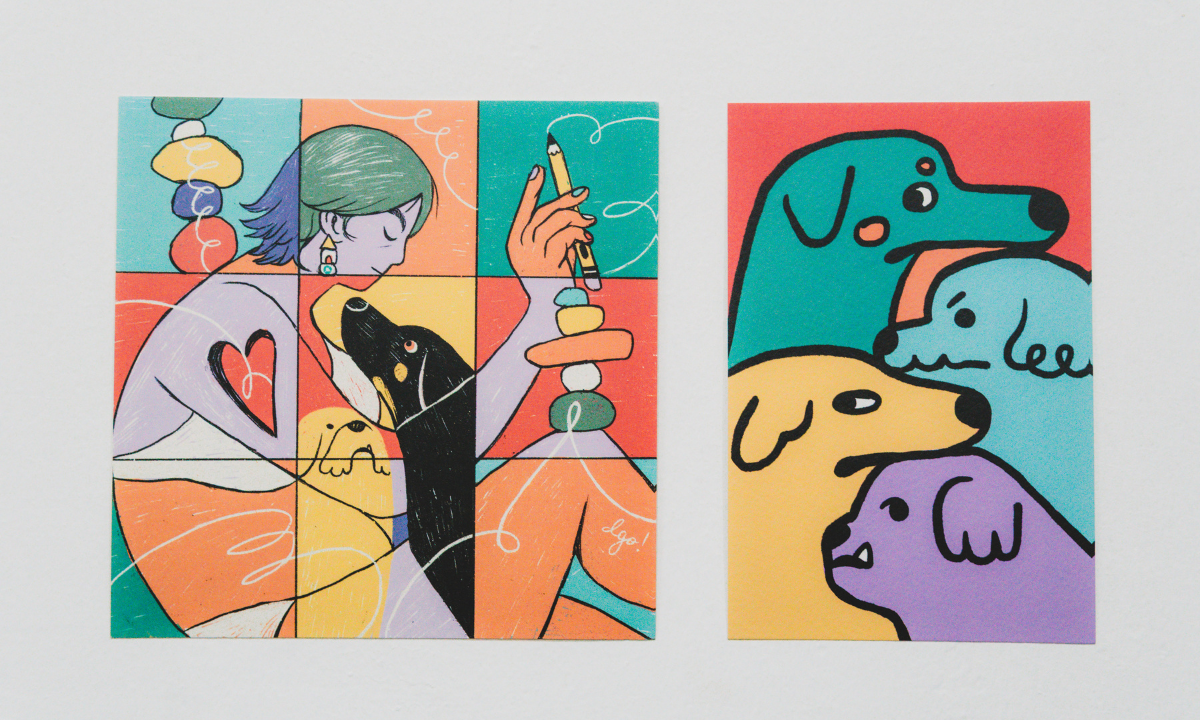
One of the hallmarks of Dani’s work is its warmth and coziness; present without feeling forced, like a soft, lived-in sweater that’s been well-loved. A comforting illustration style you want to return to, again and again.
But was it always that way? Not exactly. She didn’t set out to have a warm style; she’s admitted to changing it up now and then, be it challenging herself or having tried something new and different. The art we see from her now just happens to be the most honest version of her work.
“I think it’s mostly the choice of colors that adds to the warmth. I don’t know if it’s deliberate. Maybe it’s because I love Ghibli films, which definitely have a warmth and coziness with how they approach the slice-of-life angles to a lot of their work. I think it’s paying attention to the little things. That’s something I try to infuse.
I want to show something genuine to my experience. That’s something I like to show in the work that I do.”
Dani doesn't just draw expressions or make characters with pretty designs—she’s drawing relationships between the characters. With a single spread, Dani depicts interactions that tell a multitude of stories and worlds. Her characters come alive through the dynamic; there’s always something happening between them.
“I focus a lot on the interactions between characters. It’s not just a character standing in a blank space or feeling an emotion.”
Betting on Yourself
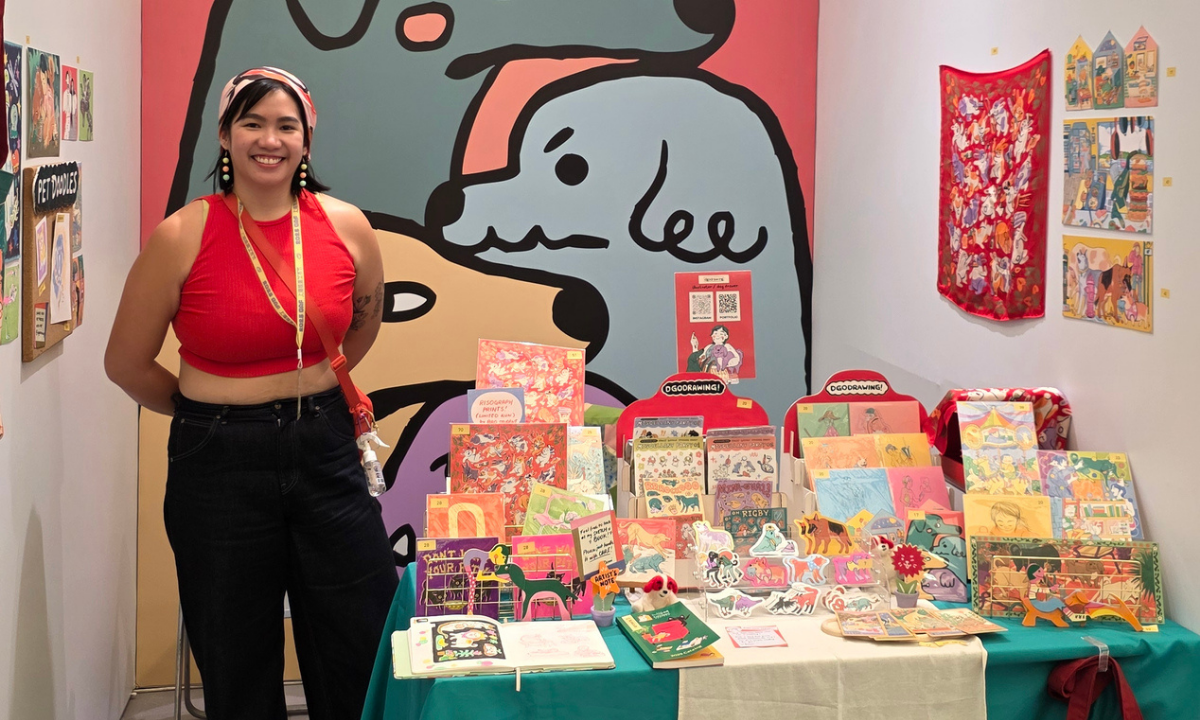
According to Dani, freelancing is a long game of showing up and being part of the community. That means participating in both local and international art markets not just for the sales or merchandise, but for what happens in between: the clients met, the friendships formed, the fellow artists discovered.
Dani takes her own advice to heart. She jumped the gun by starting her freelance career with an international art market—luckily, things worked out well in the end. What started as a typical stepping stone or milestone for freelancers led to the foundations of her network.
“Don’t wait for anyone to give you permission to do what you want. Don’t hesitate—overthinking is paralyzing.”
It’s counsel that sounds simple until you’re the one replying to client emails and staring down a blank invoice, wondering what your work is actually worth. Dani’s been there. Building client relationships, finding her footing with pricing, and figuring out when to say yes or when to hold her ground—none of it happened overnight.
Getting signed by Rebecca Sherman of Writer’s House was a turning point, both practically and symbolically. Representation changed the business side of things in concrete ways, but more than that, it affirmed something she’d been quietly building toward all along: a career on her own terms.
“It’s a back and forth between learning to re-trust yourself and figuring things out along the way.”
That might be the most useful and reassuring thing any freelance illustrator—any creative—can hear. You don’t have to have it all figured out. You just have to keep showing up.
Looking to jumpstart your freelancing career? We’ve got a few tips and tricks up our sleeves in the CocoKit—a freelancing guide for the Filipino creative! Download your copy here.
Up next: Catch our chat with Husay Co. Co-founder Leah Rasay—coming soon. CocoChat is a short social media series focusing on honest conversations with fellow Filipino creatives!