CocoChat: Going Beyond the Burger with Freelance Creative Fern Dy
Let’s be honest: when we think of commercial food photography, we often picture a highly sanitized, perfectly still image of a burger looking utterly unbothered by gravity. But when you look at the work of Fern Dy, a local freelance photographer who has spent the last three years capturing the local food and restaurant scene, things hit a little differently.
Over the last five years, this Information Design grad turned corporate studio head turned full-time freelancer has brought pure high-octane energy to the local food scene. His work practice has evolved from loud, bright visuals, to a more deliberate approach that still brings in the fun. Lately, he’s even brought that same vibrant chaos to fashion and editorial shoots.
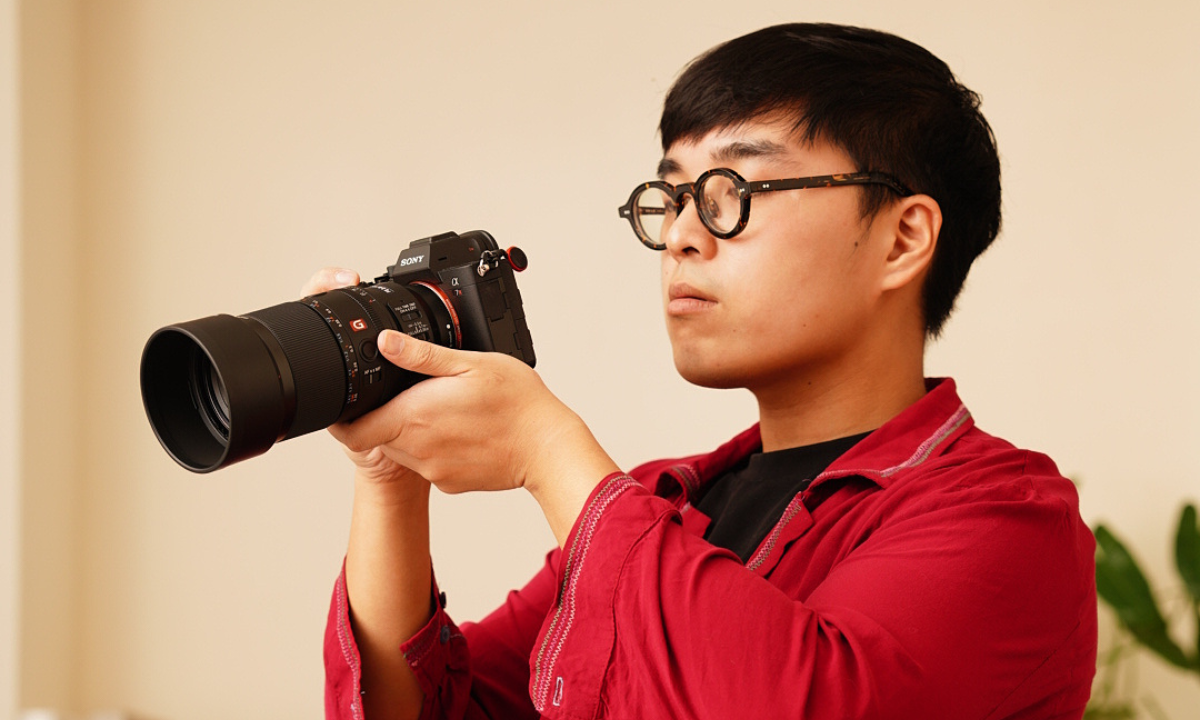
Fern was refreshingly candid about his journey from a non-drawing design student to a premier visual creative. We talked about surviving the lonely freelance grind, wrestling with self-doubt, leaning on community, and his dream project: giving local comfort foods a major visual upgrade.
Fern didn’t wake up one day and decide his path. In fact, his entry into photography was born entirely out of creative problem-solving during his undergraduate years.
“I took up Information Design, and I quickly realized you need a way to make your own media—whether through drawing or illustrating. But [turns out], that wasn’t really my strong suit. So I went into problem-solving mode: ’Okay, how do I make media?’That’s when I realized [that] I could build collages using my own photos. [Basically], that became my way of getting through the course.”
This pivot landed him straight into a corporate F&B job after graduation. Over four years, he climbed from junior graphic designer all the way to running the company’s in-house content studio.
Plenty of fresh grads dream of leaping straight into freelance freedom, but Fern strongly advocates taking a corporate or full-time detour first.
“Having a full-time job before pursuing freelancing really worked for me. A structured company builds a unique discipline through set boundaries and schedules. Plus, corporate life lets you make mistakes freely without crushing pressure. Once you start freelancing, failing to deliver directly impacts your personal reputation.”
Dealing with the Pandemic
While everyone was swearing they’d found their next calling in life while locked indoors, Fern unwittingly kicked off his career amidst the global lockdown.
“It really started in the pandemic, surprisingly enough, you know, when everyone had their ube cheese pandesal businesses? I’ve had friends who would come to me and ask me if I were open to shooting for them. At that point, I never really considered freelance work just because I felt like what I was doing was a requirement of my day job... But because I was working with friends and for the most part, I wanted to do them a favor, I started shooting for smaller brands and posting about them. It just kind of kept going until it eventually snowballed into bigger and bigger opportunities.”
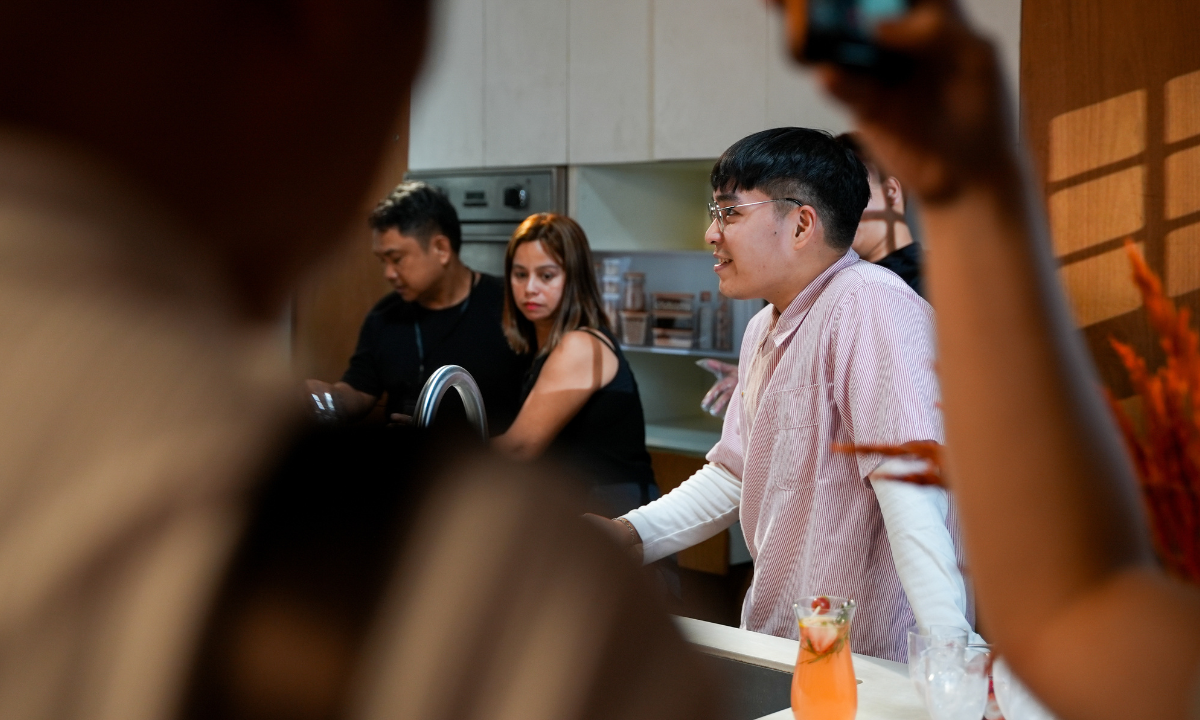
Early cheerleaders like the team behind Dot Coffee gave him the confidence boost to go all-in full-time. Still, those early days were wildly solitary. Thanks to lockdown restrictions, clients sent food straight to his doorstep via courier. Fern turned his bedroom into a solo production house, single-handedly tackling prop sourcing, set styling, lighting setups, and final shots.
“I started out very do-it-yourself. But as I eventually put more reps into my practice, I found the need to delegate and take things on as a team. That in itself was a journey because I have a hard time asking for help or delegating. [In hindsight], that realization came a bit later than I would have wanted in my career.”
Working as a Team, and Accepting Neurodiversity
These days, Fern sees working with an ever-revolving door of creatives as part of his everyday—from specialized stylists, set designers, and shoot managers and more. He sees client education as a core part of freelancing—explaining why a proper crew is non-negotiable. When budgets get tight, he scales back the deliverables rather than cutting corners on team support.
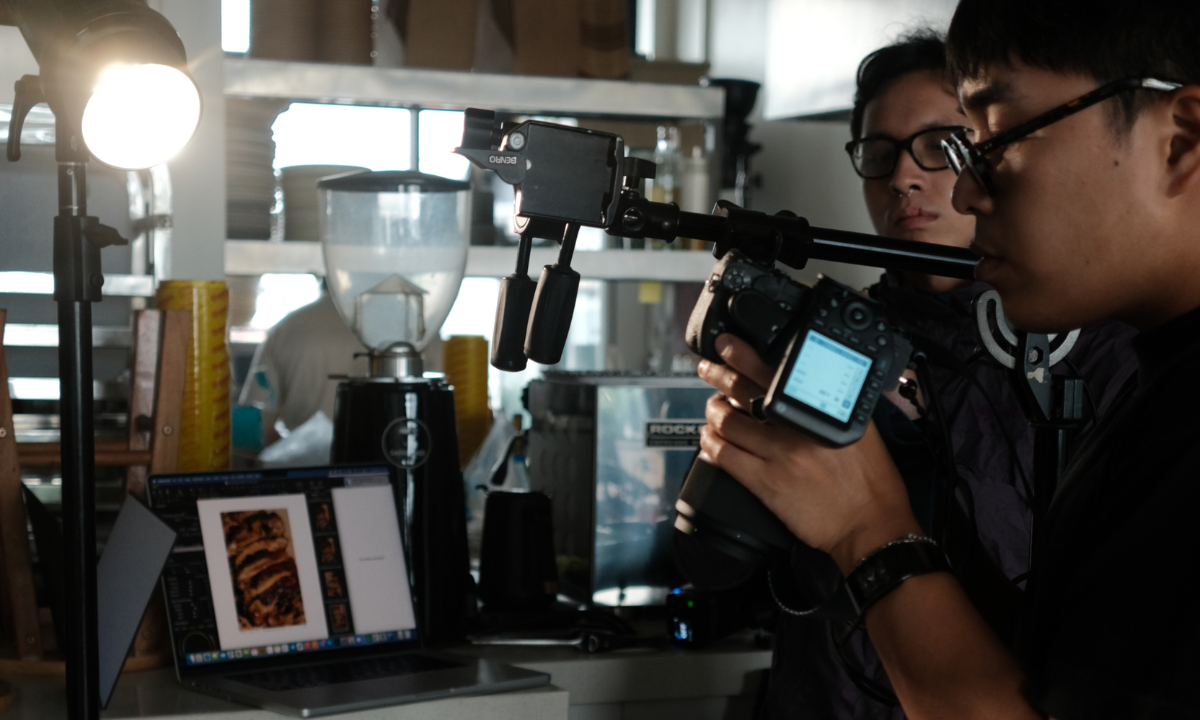
“If a food stylist suggests a different angle to better highlight the food’s strengths, I listen and do it their way. I trust that they know best because that’s their specialty. It comes down to choosing the right collaborators—when experts give input in their field, you listen.”
That high-energy collaboration fuels his creative style, which is deeply rooted in his neurodiversity.
“I have ADHD, which means holding my attention can be tough. I realized I love dynamic photos and bold imagery because shooting them feels fun and exciting—way more engaging than capturing static products. That was an important breakthrough for me.”
Having a Distinct Style
Fern’s signature look raises a classic creative conundrum: how vital is having a distinct aesthetic? For Fern, a recognizable visual style is your best tool for standing out and landing jobs.
.jpg)
“I do think style is very important, especially in the creative industry. It’s ultimately a reflection of your voice and where you are with your practice. First and foremost, it’s easier to get recognized and hired if you have a distinct style people attribute to you.”
Fern also warns against getting stuck as a one-trick pony. Distinct style gets you noticed; solid technical chops keep you booked. Commercial work requires knowing when to tone down personal flair to focus entirely on the client’s brand narrative.
.jpg)
Fern’s Dream Project
When it comes to dream collabs, Fern keeps his sights set strictly on comfort food.
“I’m a simple man. I like working with brands I personally love. My top dream client would be Jamaican Patties. I super love them—in college, I ate one every other day. Cheesy Beef is the best! It hits different when you’re shooting for a brand you’re genuinely a fan of.”
His second dream target? Another local fast-food staple.
“I’m an Army Navy stan through and through. After long shoot days, I order Grab on the way home so I land at my door at the exact same time as the food. It’s my go-to comfort staple. But looking at some of their photos, [it feels like] they need help. I’d love to jump in and spruce up their vibe.”
On Facing Digital Fatigue
It’s easy for creative freelancers to get sucked into the algorithm trap, chasing vanity metrics or feeling forced to turn every static shot into a snappy Reel. Fern dodges that digital burnout by keeping his social media refreshingly personal—running a single account for both his portfolio and real life while ditching strict calendars and trend-chasing.
“It was a conscious decision not to have a separate work account. When people hire me, I want them to hire me because of who I am as a person. For me, [posting] feels like an encapsulation of something I’ve done that’s finished—that’s how I let it go into the world. It’s easy to succumb to the pressure of posting for other people and feeling like your worth as an artist is tied to engagement. If you build a relationship with your work for yourself first, it’s easier to let go of expectations and just put it out there.”
.jpg)
Beyond dodging online pressure, Fern fuels his real-world growth by stepping straight into situations that terrify him.
“I had an event with Sony where we taught live workshops across four big classes. You only had 10 minutes each to demonstrate your process in real time, with your camera feed projected onto a massive screen for everyone to see. It gave me so much anxiety because I felt lost at first. But sinking your teeth in and dumping the mindset [that] ‘I can’t do this’ or ‘I’m not qualified’ is key. Doing things that scare you is ultimately what broadens your horizons.”
Fern Says
If you’re currently staring down the edge of full-time creative work from behind a desk job, feeling completely paralyzed, Fern has a simple piece of advice: drop the heavy expectations and give yourself some grace.
- Deconstruct your goals into tiny steps. You don’t have to overhaul your entire life overnight. “Go for it in small ways, starting with removing the impostor syndrome in your head—clearing out that self-doubt.”
- Counter your brain with tangible work. When doubt creeps in, let your practice speak louder than your anxiety.
- Lean on your chosen community. When your personal supply of confidence runs completely dry, rely on the people who love and respect you; “Because people I loved and respected believed in me, I had an easier time believing in myself.”
- Don’t get lost in the sauce. Success is great, but don’t let the daily grind numb your love for the craft.
As Fern looks toward the future—building out his portfolio and exploring new creative genres—his journey stands as a testament to staying flexible, keeping human connection at the center, and remembering that there isn’t just one recipe for success.
Looking to jumpstart your freelancing career? We’ve got a few tips and tricks up our sleeves in the CocoKit—a freelancing guide for the Filipino creative! Download your copy here.
Up next: Catch our chat with Cebuano creative Niegel Delima—coming soon. CocoChat is a short series focusing on honest conversations with fellow Filipino creatives!