CocoChat: Shaping Minds and Making Art with Cebuano Designer Niegel Delima
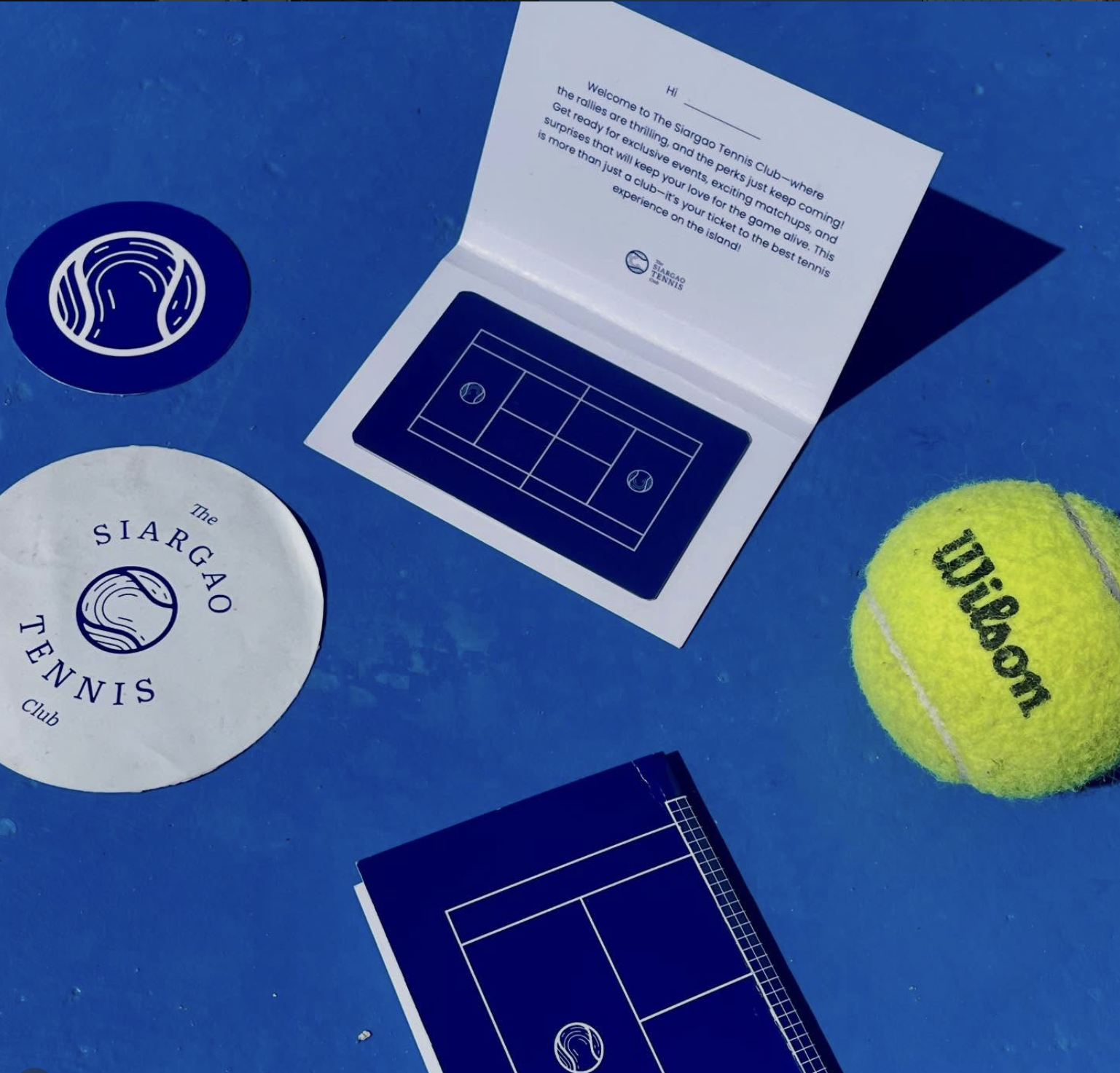
Carving out a career as a creative is rarely linear. Sometimes, it typically takes the form of an endless negotiation: passion against commercial demand; creative growth against the difficulties of making a living. For many, finding time for meaningful, personal practice alongside full workdays and tight client timelines is already a challenge. Add the mental bandwidth of his university professorship and his pursuit of business through The Siargao Tennis Club into the mix? It’s nearly unfathomable to me how much this challenge multiplies.
And yet, this is the line that Niegel Delima—professor at the University of San Carlos, Cebu City—walks daily, juggling the creative and intellectual energy needed to draft curricula and to do freelance work in parallel. Teaching Visual Identity and other Advertising subjects while creating as a multidisciplinary artist, Niegel is a living example of what the word “balance” truly means.
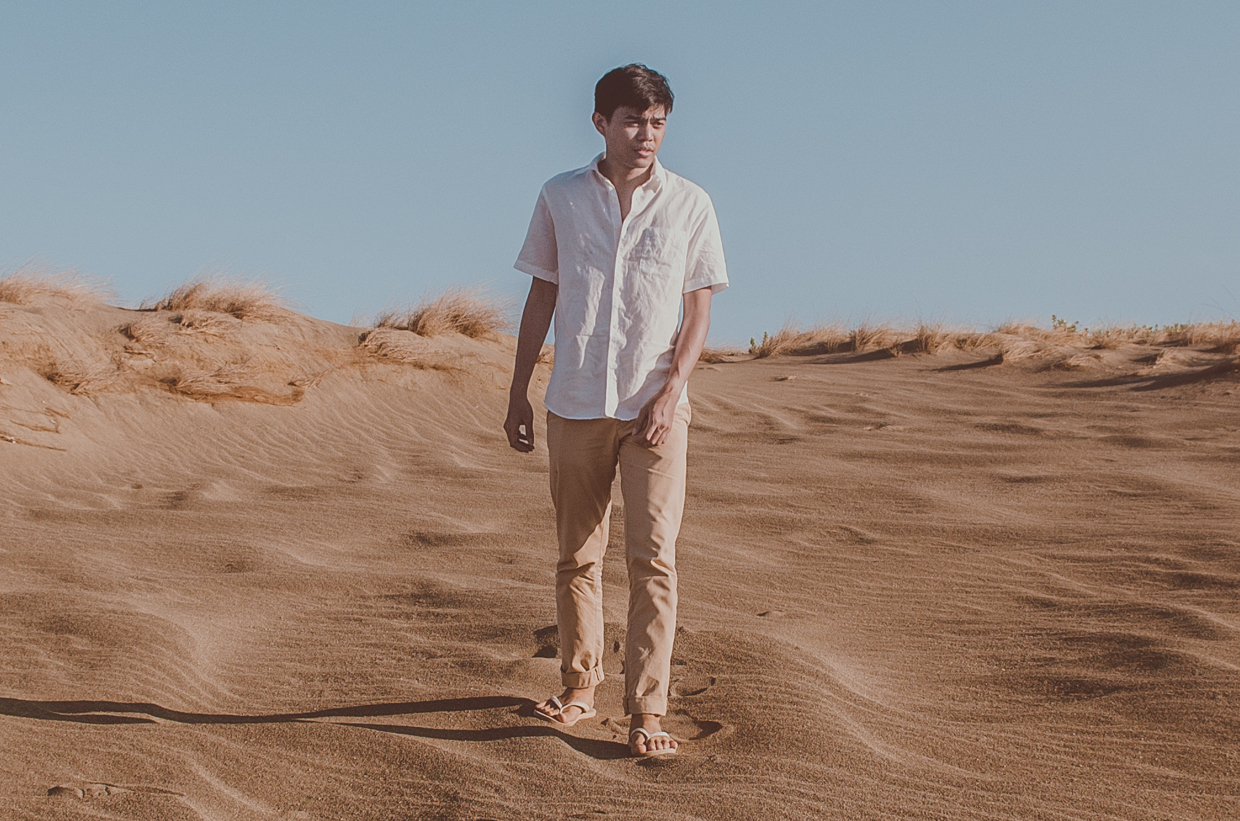
In this CocoChat, we explore how Niegel arrived at his specialization in typography, and how he navigates the weight of working as both a freelance creative and an educator for the next generation. Plus, as a Cebuano artist, Niegel gives us a peek into Cebu's art scene, how it’s grown, and what we can look forward to from the UNESCO Creative City of Design.
Living a Multihyphenate Life
Though he specializes in typography today, Niegel has always had an inclination toward the arts as a whole. After exploring various creative disciplines, some remained personal hobbies, while others carried over into his profession, such as typography, photography, branding, and business design.
But thriving within the creative world wasn’t always part of the plan. While both gifted and interested in visual arts, Niegel didn’t grow up dreaming of becoming a designer. Instead, he was enamored by the art of cooking.
“I initially studied culinary arts after high school, as I always saw myself working in the kitchen ever since I was born—even until now, albeit from a different perspective. So while I was learning how to cook at a young age, I was doodling on the side, making random drawings of my ideas. But I never really considered [design] as a career until I studied Fine Arts, which made me interested in learning almost every creative discipline.”
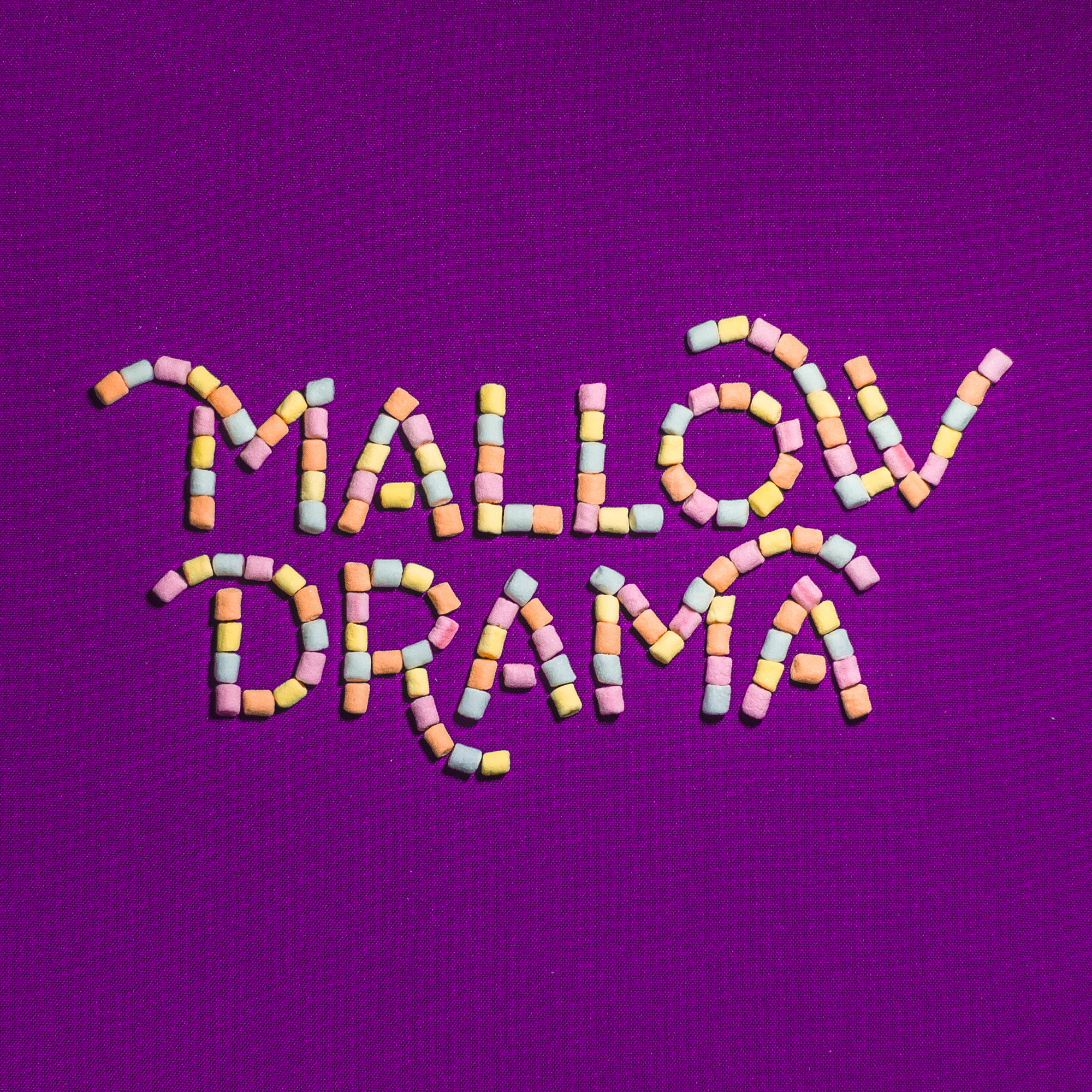
While this might have become a fork in the road for some, Niegel’s love for both culinary and visual arts instead melded together to create something that proves both can come together beautifully: typography through food. That creative fusion of food and design gave Niegel his muse, but a single spontaneous post turned a casual curiosity into a full-fledged specialization. As it turns out, simply sharing your work can change everything.
“Around ten years ago, calligraphy and lettering became a huge trend, [so it] also made me curious about the craft. However, my interest in typography actually happened overnight when I made lettering on a takeout paper bag and posted it on Instagram. A few more posts later, I got commissioned to create lettering, which [led to] more commissions—eventually making calligraphy, lettering, and typography a passion and profession.”
.jpg)
Niegel: A Professor and Designer in One
As with the arts, teaching wasn’t always part of Niegel's life plans—until a former instructor encouraged him to join the faculty, further enriching his creative practice as he became a better educator. However, he learned that balancing his full-time teaching duties with freelance design, academic work, and personal interests required more meticulous daily planning. But Niegel doesn’t let this weigh him down. All he needs is to create his schedule ahead of time.
Because classes only take up about half his week, Niegel can more easily switch between "professor mode" and "designer mode”—coaching his students, stepping back to let them create, then using his breaks to stay productive. By prioritizing urgent tasks and alternating between different projects, Niegel overcomes the daunting task of balancing his schedule and turns it into momentum.
But that begs the question: How does he keep that creative spark burning amidst his tight schedule? For Niegel, it’s his work that fuels him
“Even though curriculum development and administrative tasks can be very academic, they can still be an outlet for creativity, as creative education in itself is an art form. Making activities and developing learning materials excite the creativity in me. Some organizational and administrative tasks provide me a break from constantly exhausting my creativity and help prevent burnout.”
Stepping into the classroom does more than just break up Niegel’s week. For him, classes are a daily give-and-take. While he shares industry wisdom with students through lectures, his professorship also strengthens his personal design practice, sharpening his workflow and making it more systematic and adaptive. Plus, his constant exposure to the younger generation keeps him tapped into shifting trends that keep his work fresh.
The creative process of these students gives me insights [into] how the younger generation maximizes a digital-heavy workflow compared to the process I learned that utilizes traditional means as a foundation for digital works. This allows me to foresee how the future industry and the future creatives innovate this dynamic industry.”
This exchange between professor and student goes beyond exchanging inspiration—it also requires a delicate balance of critique. Niegel notes that giving constructive feedback in front of a room was a major hurdle early on, as "voicing out criticisms of other people's work was not something [he was] used to." Over time, however, learning to express feedback trained him to analyze his own work through the same objective lens, turning a challenging personal adjustment into an essential part of his creative process.
The Evolving Art Scene of Cebu
Cebu, hailed as a hub for both traditional and contemporary arts, is and has always been teeming with creativity. From intricate weaving and basketry to furniture- and guitar-making to sculptural art, there is no shortage of talent and ingenuity in the region. Niegel, whose work is deeply influenced by this imaginative culture, sees his role as elevating undertapped mediums like typography, which remains a modest niche in the community.
Translating that vibrant local identity into letterforms, however, is no simple task. Because Cebu’s visual arts are so dynamic and constantly evolving, they defy easy stereotyping. To bridge that gap, Niegel leans heavily into Cebu’s rich history to express its culture through his art.
While his creative process draws on Cebu’s past, Niegel is equally tuned into its present.
“When I started teaching, I noticed how the art scene [has grown since] I was still a student. Today, there are more spaces and venues for creatives to gather, interact, present our works, and do business, [including] dedicated creative spaces and events. Apart from fixed locations, pop-ups (which are very trendy right now) have also been more visible and catered to our niche.“
That community expansion gained global validation in 2019 when Cebu was designated a UNESCO Creative City of Design—a milestone Niegel sees as a major step toward building local appreciation for creative careers. Yet, he is candid about the momentum lost. The pandemic’s onset shortly after created an unavoidable gap, hindering the recognition's immediate impact. While the local scene is undeniably thriving today, Niegel notes it is difficult to attribute that growth directly to the title, given the years of disruption that followed.
.png)
The Complexities of Freelancing
Reflecting on the realities of going solo, he points to the weight of wearing multiple hats as the steepest hurdle—especially at the beginning. Beyond the creative work itself, freelancers must also serve as their own accountants, production managers, and account executives. While freelancers pick up these skills along the way, juggling them at once can quickly become overwhelming.
But Niegel’s core advice hinges on a crucial distinction: knowing the difference between creating art and making art for business.
“Creating art is very personal. You want to put your expression first without the pressure of having an immediate audience or any objective purpose. On the contrary, making art for business or doing design work does not make yourself the first consideration. When you do art or design for profit, your primary consideration should be your strategy, target market, and your client.
When you're still starting out in this industry, creating a fine line between the two might be difficult. You might wonder why your market doesn't respond to your design or your client leans in a different direction, but that is part of business. When you're expecting income from art and design, you need to consider and satisfy the needs of others and not just your artistic expression.
Navigating that boundary is often a difficult learning curve for newcomers who struggle with client rejection. But Niegel emphasizes that this is simply the reality of doing commercial work. To keep artistic burnout at bay, his advice is simple: Never stop making personal passion projects—uncompromised work where your expression is the only consideration.
.jpg)
On the Hot Seat
With all that I’ve learned from Niegel through this chat, I thought it was only appropriate to give us a breather from all the seriousness and end the interview on a fun note.
Q: What’s your typography pet peeve?
“Using more than three typefaces in a design.”
Q: What typeface do you see the most often when walking around?
“Can't name one! Cebu [uses] so many typefaces everywhere, but we’re definitely a sans-serif city.”
Q: On a scale of 1 to 10, how hard is it to ignore bad typography out in the wild and why?
“Eight. I can ignore it, but it depends on the mood.”
Q: What, in your opinion, makes a certain typeface good?
“A good typeface should always be legible. It is the primary function of a typeface [and dictates] its effectiveness. Without legibility, or the ability to be easily distinguished, a typeface would not be able to serve its purpose of being a communication medium.”
Q: As @niegeldilemma on social, what is your biggest dilemma when it comes to design?
“Finding more time to create.”
Q: As someone who has never been to Cebu, can you tell me which places are THE places to go to for creatives or anyone who appreciates the arts? Can you give a short summary of each place?
- Atua Midtown: a creative-focused retail space.
- Cebu Making Space: a co-making space for creative works.
- The National Museum of the Philippines Cebu: a heritage structure converted into a museum.
Looking to jumpstart your freelancing career? We’ve got a few tips and tricks up our sleeves in the CocoKit—a freelancing guide for the Filipino creative! Download your copy here.
Up next: Catch our chat with creative Dani Go—coming soon. CocoChat is a short series focusing on honest conversations with fellow Filipino creatives!